
Condensation on Windows in Winter: What It Means in CT Homes
Winter in Connecticut can be brutal on homes, especially older capes, colonials, and coastal properties where cold glass meets warm indoor air. If you’ve ever walked into your living room on a January morning and found water droplets on the inside of your windows, you’re not alone. In most CT homes, winter window condensation is a humidity + temperature issue, not a mystery and not automatically “bad windows.”
The good news: once you understand where the condensation is forming (inside, outside, or between panes), you can usually pinpoint the cause and make a smart plan, whether that’s adjusting humidity, improving ventilation, tightening up air leaks, or addressing a failed window seal.
The simple science behind window condensation
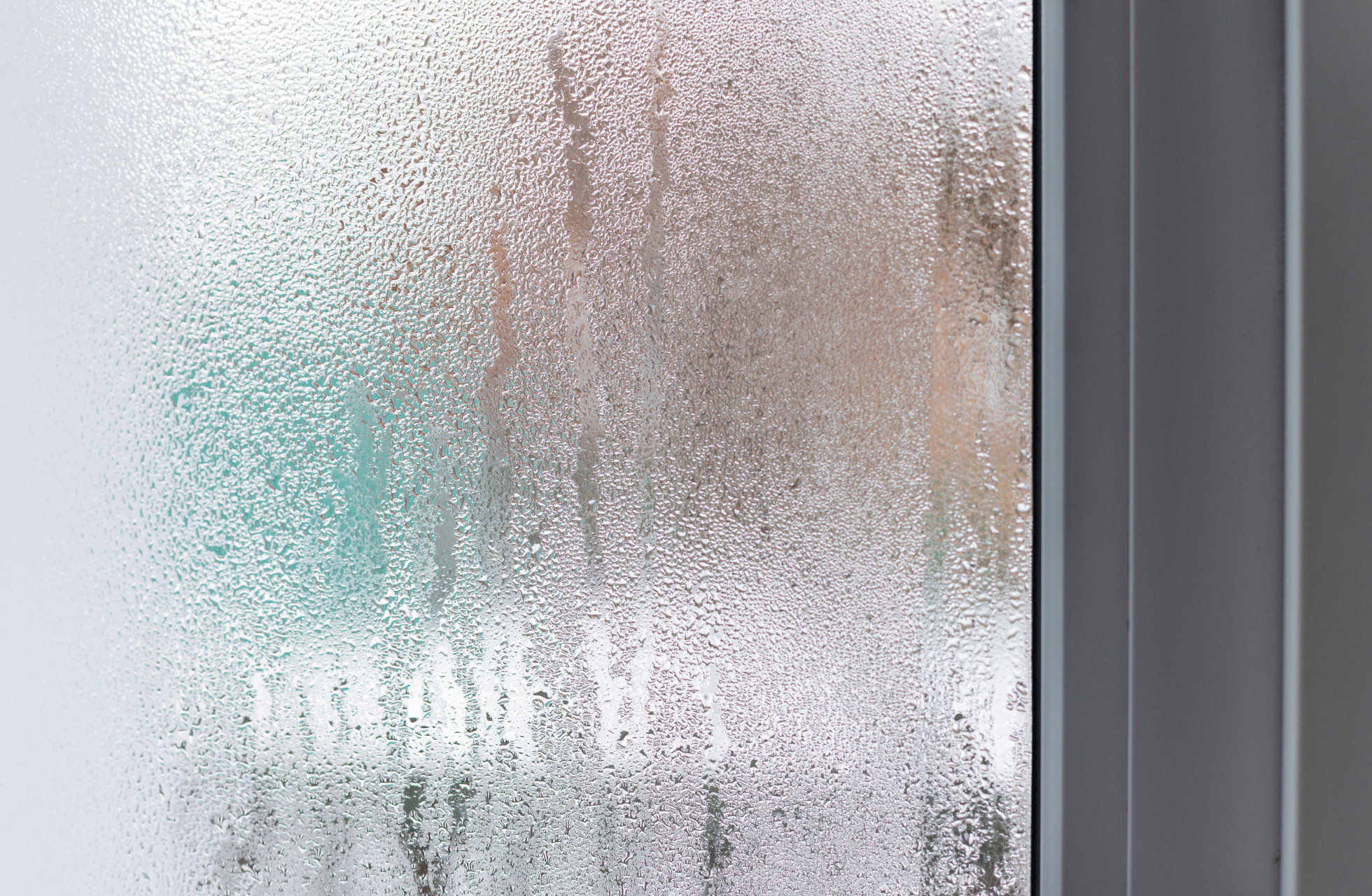
Condensation forms when warm, moisture-laden air touches a surface cold enough to drop below the air’s dew point. In a CT winter, windows are often the coldest surface in the room, so they show moisture first.
Everyday life adds moisture fast:
showers and baths
cooking and dishwashing
laundry (especially if dried indoors)
humidifiers
even breathing (especially overnight in closed bedrooms)
In tighter, more energy-efficient homes, that moisture can get trapped indoors, so you may see more condensation even after upgrading windows.
What the condensation location means and what to do next
If condensation is showing up alongside drafts and uneven temperatures, these are often signs your windows are wasting energy.
If condensation is on the inside of the glass (most common)
This typically means indoor humidity is too high for how cold the window surface is.
You’ll often notice this:
early morning
after showers or cooking
on the lower edge of the glass
in bedrooms with doors closed overnight
What to do next:
run bath/kitchen exhaust fans during moisture-producing activities
keep fans running at least ~20 minutes after showers
use a dehumidifier in problem areas (often basements)
improve air circulation at the window (more on this below)
If condensation is on the outside of the glass
This is usually not a problem. In many cases, it can actually mean your window is insulating well, so the inside stays warmer while the exterior surface can be cool enough for outdoor humidity to condense.
What to do next:
Monitor it, but you typically don’t need to “fix” it
If it’s happening constantly with other moisture issues inside the home, focus on indoor humidity control first
If condensation is between panes
This is the big one. Moisture trapped between the glass layers usually points to a failed seal in a double- or triple-pane insulated glass unit.
You may notice:
a cloudy look that won’t wipe off
streaking or fog that comes and goes inside the glass
Reduced comfort near the window
What to do next:
Have the window evaluated; often, the insulated glass unit (or the window) needs professional window repair or replacement
Once seals fail, the window’s performance is typically compromised
Why persistent interior condensation matters in CT winters
If window moisture is frequent enough to drip, soak sills, or keep trim damp day after day, it can trigger real damage over time:
Mold and mildew on sills, frames, and nearby drywall
Peeling paint and bubbling finishes
Wood rot on older frames and sashes
Staining or deterioration of plaster/drywall returns
Dampness that spreads to adjacent walls or flooring
Moisture problems also tend to show up first around windows—but the underlying issue can involve ventilation, air leakage, and insulation in the surrounding wall assembly.
CT/RI reality check: why this happens more in some homes
Home style and heating/ventilation setup matter. Across Connecticut and Rhode Island, especially in New London County and other coastal areas, condensation can be more noticeable because of:
big temperature swings (day-to-night drops in late fall and early winter)
older housing stock with uneven insulation and air sealing
basements that hold moisture (common in the region)
newer/tighter construction that traps humidity indoors
homes without strong whole-house air circulation
Some older homes “leaked” enough air that moisture escaped naturally (not ideal for bills, but it reduced condensation). Tightening a home can improve comfort and efficiency, but it often makes ventilation and humidity control more important.
What to do: a practical 7-step plan to reduce winter window condensation
1. Confirm what type of condensation you have
wipes off easily from the room side → interior humidity issue
appears outside → usually normal
looks trapped between panes → seal issue
2. Check indoor humidity (don’t guess)
A simple hygrometer is inexpensive and helps you avoid overcorrecting.
General comfort targets often land around 30–50% RH, but during very cold CT weather, some homes need lower indoor humidity to prevent window condensation. If you’re using a humidifier, this is especially important.
3. Vent moisture at the source
Bathroom: run the exhaust fan while showering and keep it on afterward
Kitchen: use the range hood while cooking (especially boiling/simmering)
Laundry: avoid drying clothes indoors when possible
4. Reduce extra moisture sources
turn down or pause humidifiers if you’re seeing wet windows
Move clusters of houseplants away from windows (plants add moisture)
use a dehumidifier in problem zones (basements are a frequent culprit)
5. Improve airflow at the window
Condensation gets worse when air is stagnant against cold glass.
Try:
keeping blinds/curtains open during the day
leaving a small gap between curtains and the wall so air can circulate
using ceiling fans on low in winter (many fans have a winter setting)
6. Warm the glass surface (short-term fixes that help)
If the glass is simply too cold, moisture will keep finding it.
Options:
insulating curtains
temporary window insulation film kits (a winter-only barrier)
storm windows (where appropriate)
7. Seal drafts and cold leakage paths
Drafts can chill the glass and surrounding frame, increasing condensation risk.
Check for:
worn weatherstripping
gaps at trim or casing
failed caulk lines
air leaks at meeting rails or locks on older windows
A quick “is this getting serious?” checklist
Consider a professional evaluation if any of these are true:
moisture is between panes (seal failure signs)
condensation is heavy enough to drip regularly
you see mold spots, musty odors, or recurring damp trim
window frames feel soft, swollen, or show peeling paint/rot
humidity stays high even after using fans and a dehumidifier
condensation is happening across multiple rooms all winter long
Safety note for older homes: If you’re scraping, sanding, or repairing painted trim around windows (common in older CT homes), follow lead-safe practices, especially in pre-1978 housing.
How Dynamic Building & Energy Solutions Can Help
If you’re seeing window condensation, hazy glass, or comfort issues in your Connecticut or Rhode Island home, you don’t have to figure it out alone. DBE can help you:
pinpoint whether the problem is indoor humidity, ventilation, air leaks, or a failed window seal
prioritize the fixes that will make the biggest comfort difference first
recommend window and envelope upgrades that fit your home (older coastal builds and newer construction alike)
When you’re ready, we’ll help you build a clear, confident plan, without pressure. Schedule a home energy assessment to get answers and a practical next-step path for your home. Sometimes, it might take replacing old windows for more energy-efficient ones. Reach out with any questions.