Home Energy Assessments in Connecticut
Understand how your home is performing, where comfort problems may be coming from, and which improvements are worth addressing first.
Dynamic Building & Energy Solutions provides home energy assessments throughout Connecticut to help homeowners identify air leakage, insulation deficiencies, ductwork issues, moisture concerns, and other conditions that may affect comfort, safety, and energy performance.
Using diagnostic testing and a whole-home approach, we look beyond individual symptoms to understand how different parts of your home work together. After the assessment, we explain what we found, which issues to prioritize, and what your next steps may be.
Why Get a Home Energy Assessment?
A cold bedroom does not necessarily mean you need new windows. High heating costs do not automatically mean you need more insulation. And adding insulation without addressing air leakage may not solve the underlying problem.
A home energy assessment helps take the guesswork out of improving your home.
You may want to schedule an assessment if you are experiencing:
Drafty rooms or noticeable air leaks
Uneven temperatures between rooms or floors
High or unpredictable heating and cooling costs
Ice dams or excessive heat loss through the attic
Older, damaged, or insufficient insulation
Heating or cooling equipment that seems to run frequently
Concerns about duct leakage or airflow
Plans to replace windows or doors
Plans to add insulation or complete other energy improvements
Uncertainty about which home improvement should come first
Instead of looking at one component in isolation, we evaluate the home as a system and help you understand what may actually be contributing to the problem.
What Happens During a Connecticut Home Energy Assessment?
Your assessment begins with a conversation about your home. Tell us which rooms are uncomfortable, where you notice drafts, whether you have experienced moisture problems, and any other concerns you have about the home's performance.
From there, our team evaluates accessible areas of the home and uses appropriate diagnostic tools to investigate potential problems.
Depending on the home, assessment scope, safety conditions, and current program requirements, this may include:
-

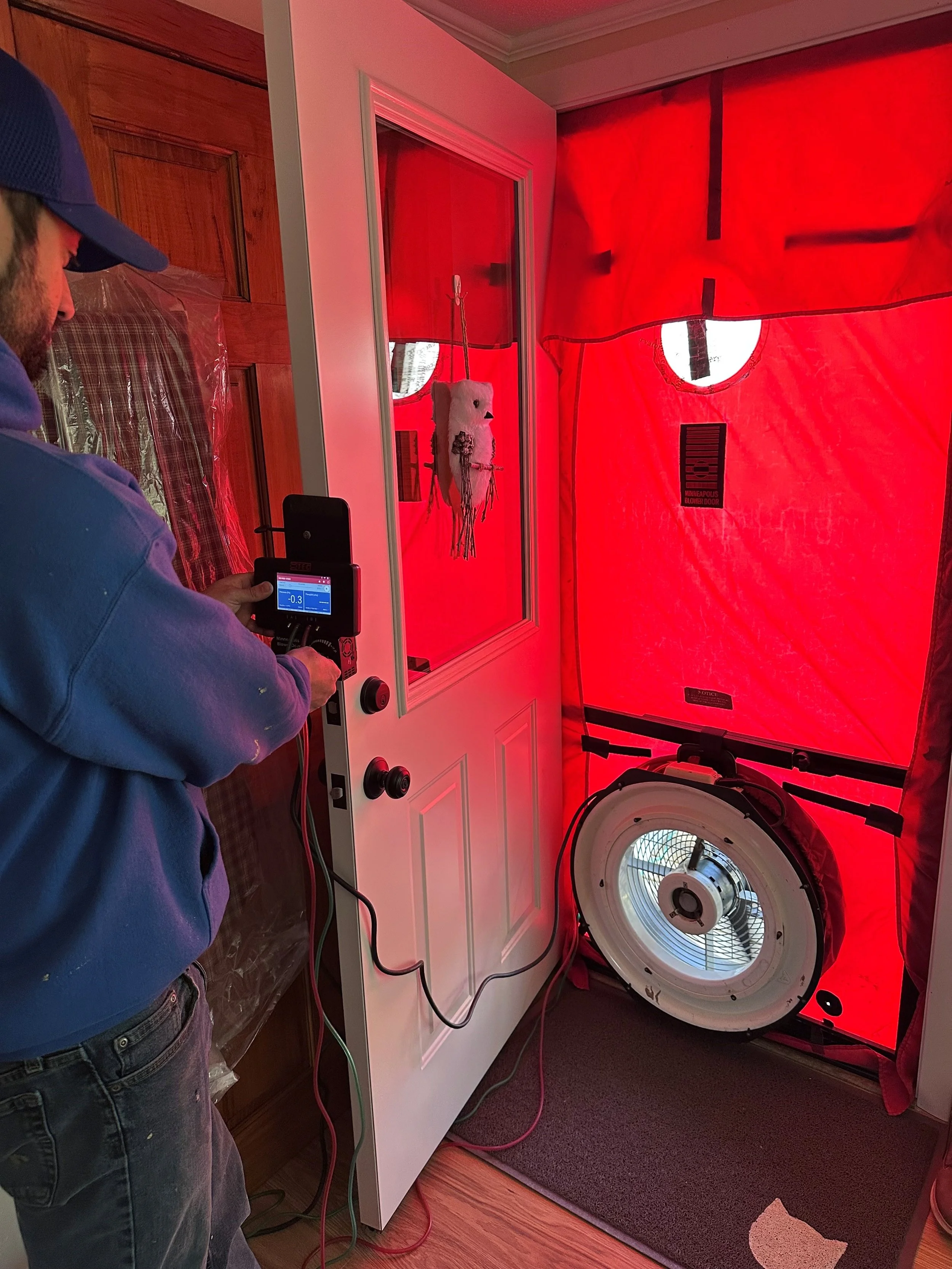
Blower Door Testing
A blower door test helps measure how much outside air enters the home through gaps, cracks, and other openings. It can help identify areas where air sealing may improve comfort and building performance.
-

Duct Blaster
Duct leakage testing evaluates whether conditioned air is escaping through gaps or poorly sealed connections in the home’s duct system.
-
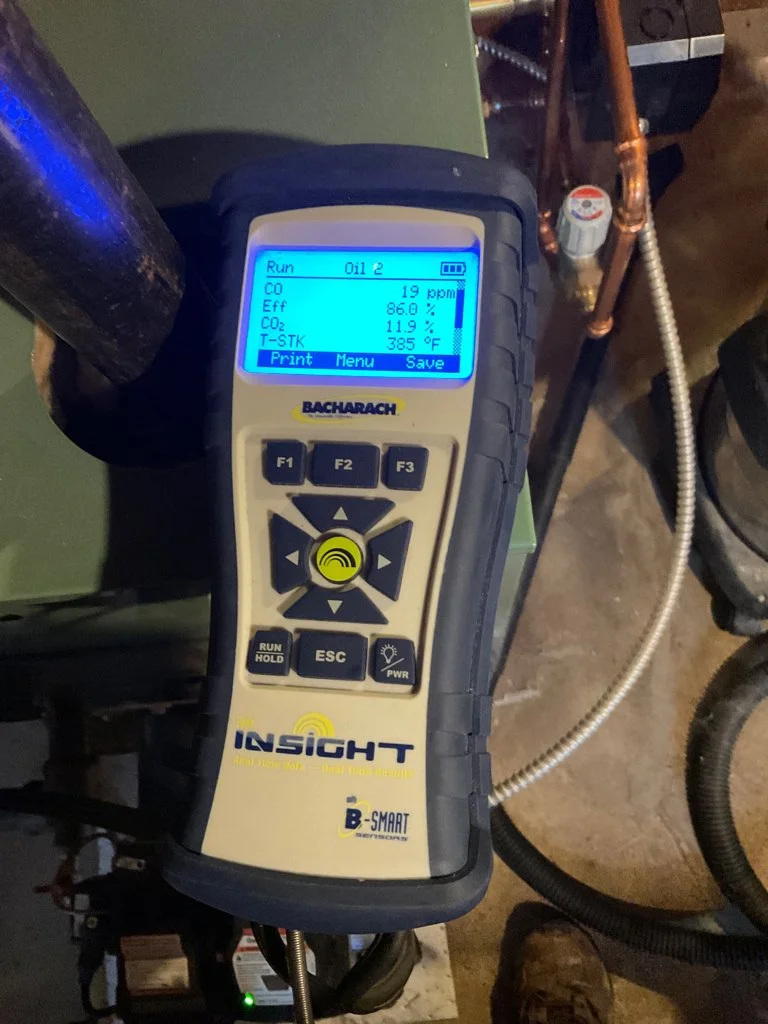
Combustion Analyzer
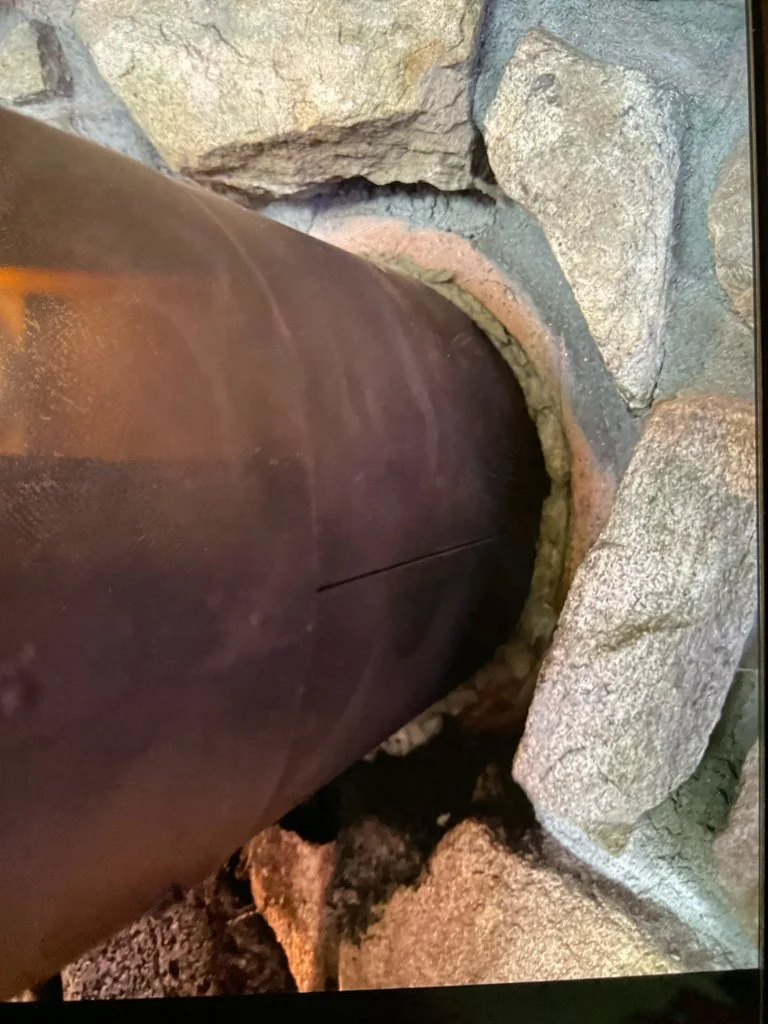
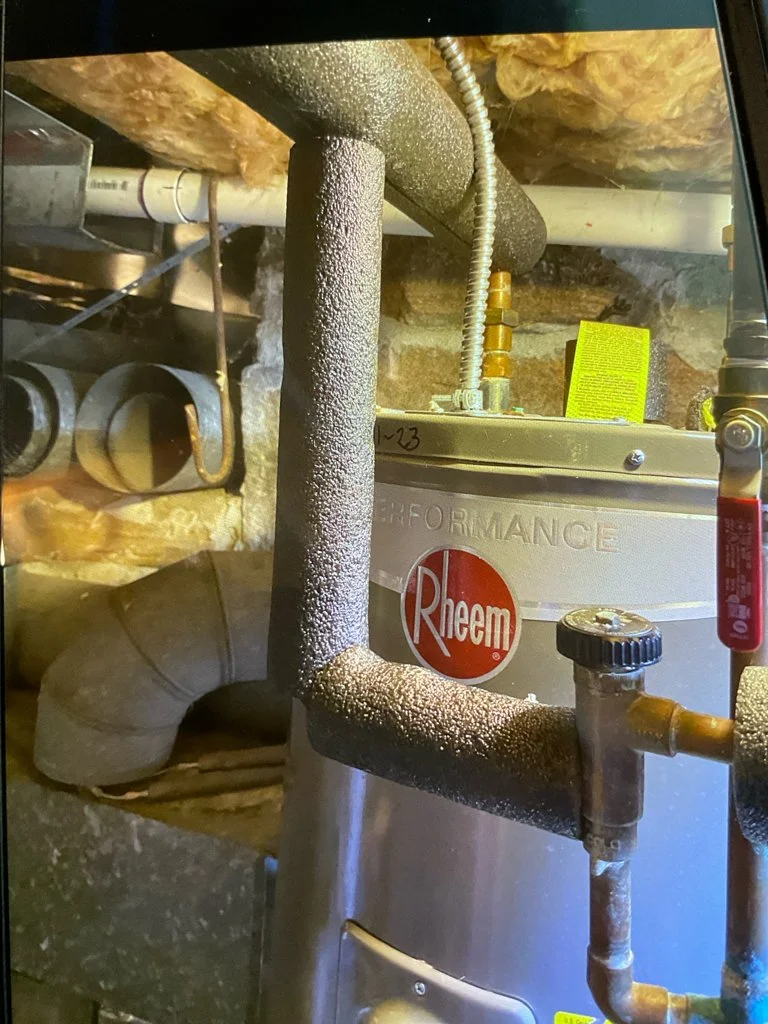
A combustion analyzer may be used to evaluate fuel-burning equipment such as furnaces, boilers, water heaters, fireplaces, or gas appliances when applicable.
-

Endoscope
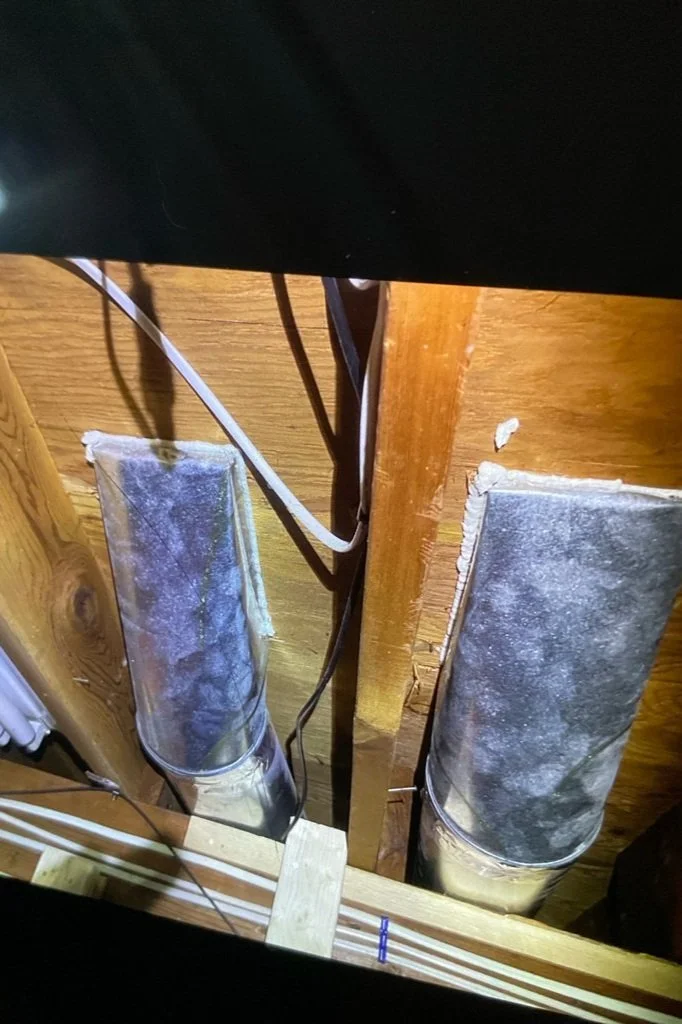
Tools such as an endoscope may be used to inspect difficult-to-reach areas inside wall cavities, ducts, or other enclosed spaces without unnecessarily opening large areas of the home.

Who’s Eligible for a Home Energy Assessment?
All single family and multi-family homes are eligible to participate in the Home Energy Solutions program.
Serving Homeowners Across Connecticut
Dynamic Building & Energy Solutions provides home energy assessments in communities throughout Connecticut, including:
Stonington, Mystic, Pawcatuck, Groton, New London, Waterford, Niantic, East Lyme, Old Lyme, Old Saybrook, Clinton, Branford, Guilford, Montville, Salem, North Stonington, Norwich, and surrounding communities.
What you get with a Connecticut Home Energy Solutions (HES) assessment
When you schedule a Home Energy Assessment with Dynamic Building, here’s what you can expect:
Health and Safety Checks: Testing carbon monoxide levels, moisture content, and indoor air quality.
Comfort Assessment: Identifying hot/cold spots, stuffiness, and potential airflow issues.
Blower Door Test: Pinpointing drafts and leaks throughout the home.
Duct Test: Checking your ductwork for energy-wasting leaks.
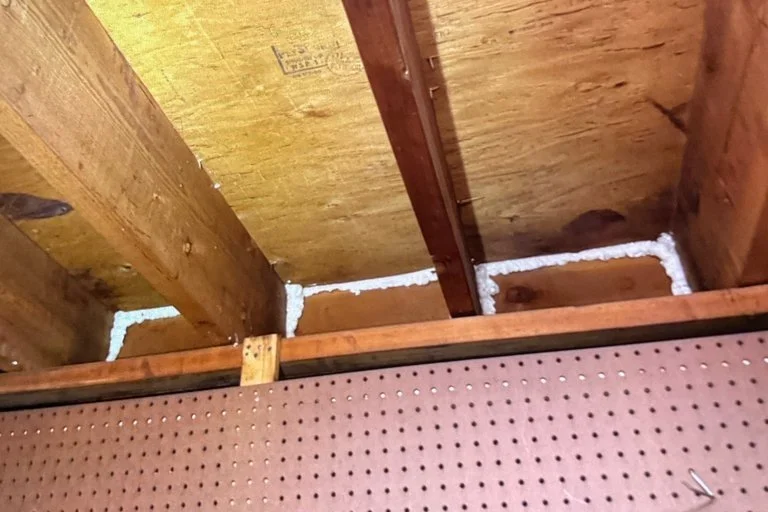
Professional Air Sealing: Sealing all identified leaks and gaps on the spot.
Water-Saving Measures: Installation of low-flow showerheads, faucet aerators, and pipe insulation to cut water heating costs.
Personalized Recommendations: During our "kitchen table wrap-up," we review what we found, the work completed, and additional recommendations for maximum energy savings.
Comfort, Safety and Building Performance
-

Improve Indoor Air Quality
Air leakage, missing insulation, duct problems, and other building-envelope issues can contribute to drafts and uneven temperatures. Diagnostic testing helps identify potential causes instead of simply treating the symptoms.
-

Identify Potential Health and Safety Concerns
Depending on the home and assessment scope, testing and inspection may identify conditions that warrant attention, including combustion safety, moisture, ventilation, or indoor environmental concerns.
An energy assessment is not a substitute for specialized environmental, mold, HVAC, or safety testing when those services are needed.
-

Understand Your Home's Energy Performance
The assessment can identify areas where conditioned air may be escaping and where the building envelope could potentially be improved.
Actual energy use and savings vary significantly based on the home, occupant behavior, weather, equipment, improvements completed, and other factors.
-

Protect the Home From Moisture-Related Problems
Air movement, insulation, ventilation, and moisture can interact in ways that affect building durability. Identifying these conditions can help homeowners make more informed decisions about improvements.
-

Prioritize Home Improvements
Perhaps most importantly, an assessment helps answer a practical question:
-

What Should I Fix First?
Rather than replacing components based on assumptions, you receive recommendations based on the conditions observed in your home.
Rebates, discounts, and financing options.
You could be eligible for further discounts and rebates that can save you hundreds or even thousands of dollars! These deeper energy efficiency measures include:
Adding Insulation – Proper insulation will lower heating and cooling bills while making your home more quiet and comfortable
Replacing heating and cooling systems – If your boiler, furnace or air conditioner is more than 10 years old, replacing it with a high-efficiency ENERGY STAR® unit could help you save 20 percent or more on your energy bills
Connecticut residents are eligible for a full weatherization and energy visit offered through a collaboration of the utility companies and state in order to help homeowners save money on their energy bills and increase the efficiency of their homes.
Dynamic Building & Energy Solutions is a Capital for Change (C4C) and a CT Green Bank Contractor.
Capital for Change offers micro loans for smaller energy efficient improvements like insulation; loans start from $500 to $3,000 and are offered at 0% interest for three years. Limited to Eversource and United Illuminating residential electric customers.
A Smart E-Loan offered by the CT Green Bank can be used for over 90 home energy improvements, including insulation, windows, heat pumps, solar panels and more. Up to 25% of your loan can be used for non-energy related measures and healthy home improvements; appliances, lead removal and roof repairs in advance of installing solar. Maximum loan amount is $50,000. To be eligible you must be located in CT, property must be owner occupied and property must be a residential building with 1-4 units including individually metered condominiums.
What Areas of Your Home May Be Evaluated?
A home energy assessment may include a review of:
Attic, wall, basement, and crawl-space insulation
Attic access points
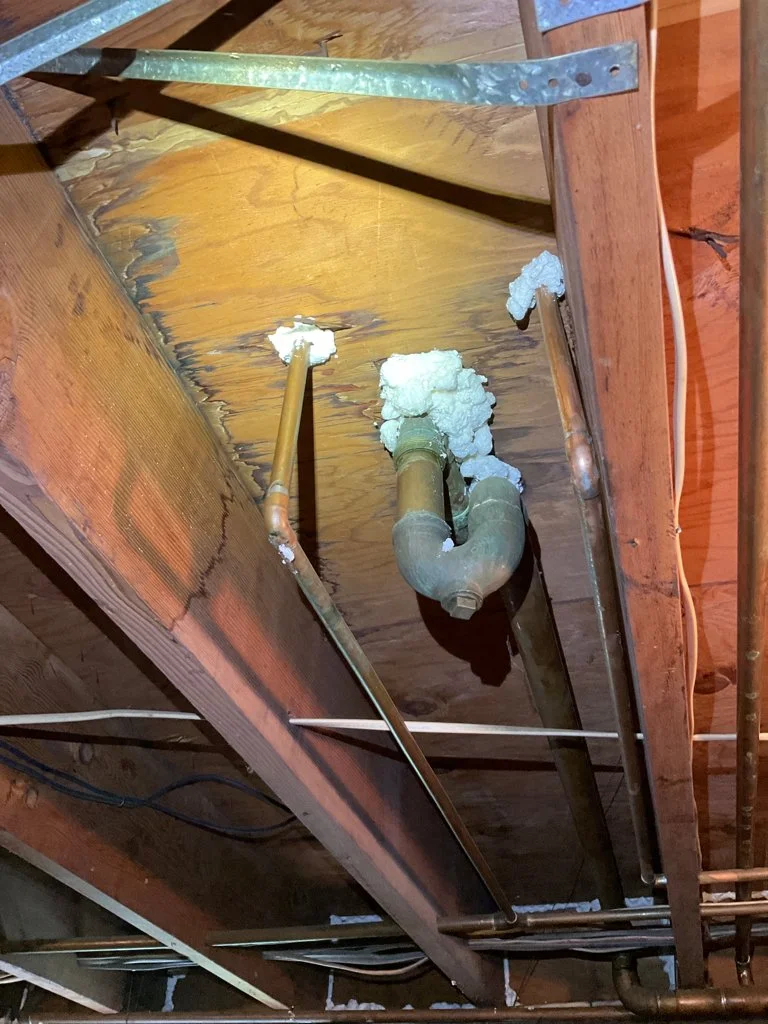
Air leakage around plumbing and electrical penetrations
Heating and cooling equipment
Ductwork and ventilation
Visible moisture concerns
Fuel-burning appliances
Areas with noticeable drafts
Rooms with persistent hot or cold spots
Looking at these areas together can help distinguish between symptoms and their underlying causes.
For example, an uncomfortable room may be related to air leakage, insufficient insulation, ductwork, windows, or a combination of factors. The assessment helps determine which issues deserve attention before you invest in improvements.
What Do You Get From a Home Energy Assessment?

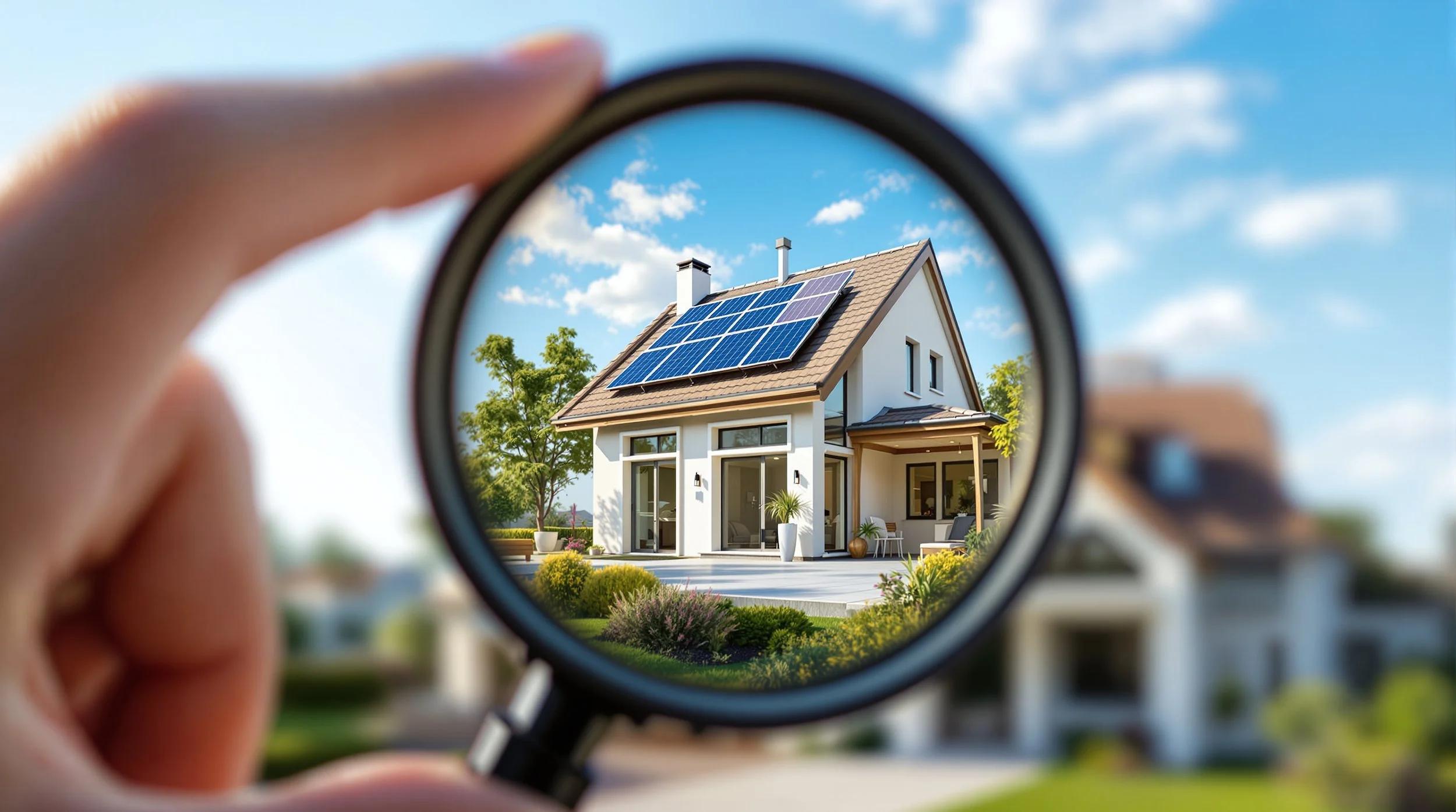
The primary value of an energy assessment is a clearer understanding of your home and what to do next.
After evaluating the home, we review our findings with you and explain:
Where significant air leakage may be occurring
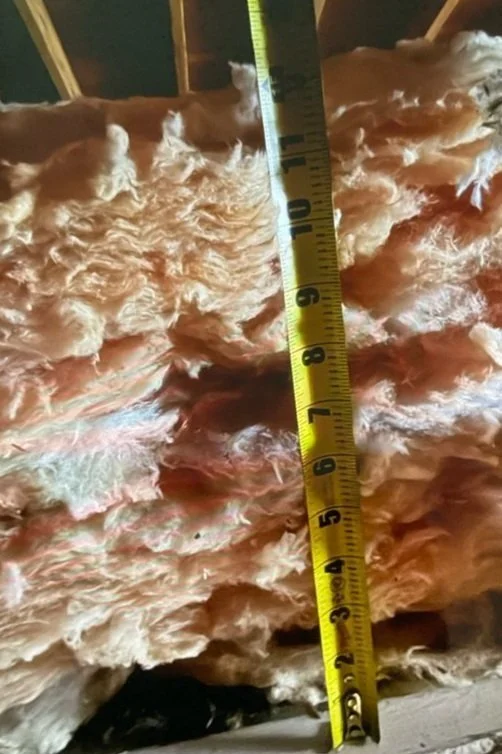
Whether accessible insulation appears insufficient or problematic
Whether air sealing may improve the building envelope
Which issues should be addressed first
Which improvements may work best together
Whether additional investigation is warranted
Potential next steps for completing recommended work
You do not have to guess whether insulation, windows, air sealing, or another improvement should be your priority.
If the assessment identifies insulation deficiencies, learn more about our Connecticut insulation services.
If existing windows or exterior doors appear to be contributing to comfort or performance issues, we can also discuss appropriate window and door improvements.


Home Energy Assessment FAQs
What is a home energy assessment?
A home energy assessment evaluates how different parts of your home may be affecting comfort and energy performance. Depending on the property and assessment scope, this can include air leakage, insulation, ductwork, windows, doors, heating and cooling equipment, ventilation, and other building components.
Is a home energy assessment the same as a home energy audit?
The terms are commonly used interchangeably. In both cases, the goal is to evaluate how the home is performing, identify potential problem areas, and determine which improvements may be worth prioritizing.
What testing is performed during an energy assessment?
Testing depends on the home, safety conditions, program requirements, and scope of the assessment. It may include blower door testing, duct leakage testing, combustion safety testing, and visual inspection of accessible areas.We can confirm the testing applicable to your home when you schedule.
How long does a home energy assessment take?
A typical assessment takes 2–4 hours depending on the size of the home.
Does every assessment include a blower door test?
The testing included may depend on the property, applicable program, safety conditions, and scope of the assessment. Confirm the included testing when scheduling.
Can Dynamic Building complete the recommended improvements?
Dynamic Building & Energy Solutions provides insulation, air sealing, window and door, and related building improvement services. The recommended scope will depend on the findings and the services appropriate for your home.
How much does a home energy assessment cost in Connecticut?
The homeowner's cost can depend on current Connecticut programs, utility participation, eligibility requirements, property type, and the assessment being performed. Because program terms and incentives can change, contact Dynamic Building & Energy Solutions to verify current pricing and eligibility for your property.
Serving Homeowners Across Connecticut
Dynamic Building & Energy Solutions performs home energy assessments for homeowners throughout Connecticut, with extensive experience serving southeastern Connecticut and the shoreline.
Communities we serve include Stonington, Mystic, Pawcatuck, Groton, New London, Waterford, Niantic, East Lyme, Old Lyme, Old Saybrook, Clinton, Branford, Guilford, Montville, Salem, North Stonington, Norwich, and surrounding Connecticut communities.
Not sure whether we serve your town? Contact our team and tell us where your home is located.
Real Results from a Connecticut Home Energy Assessment
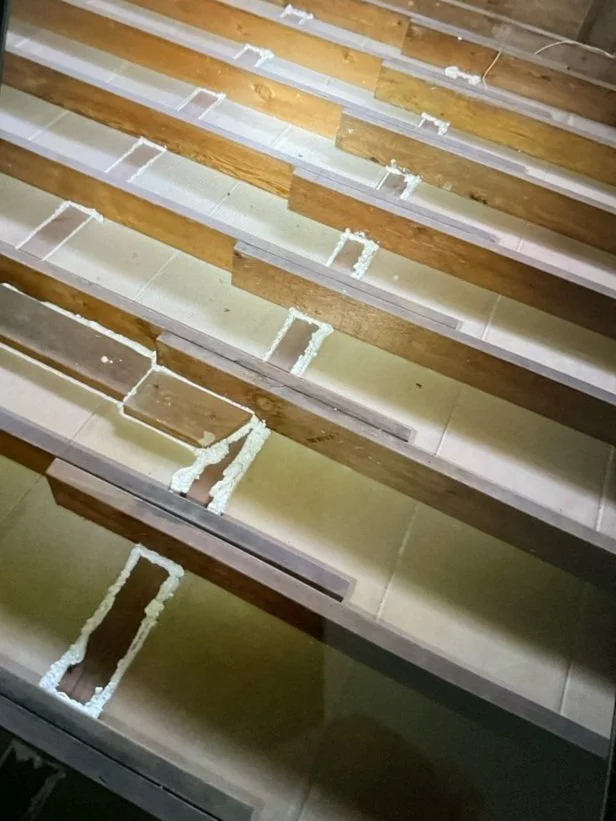
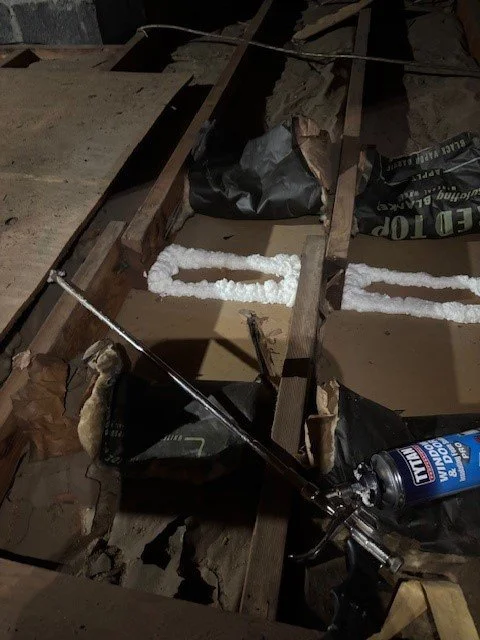
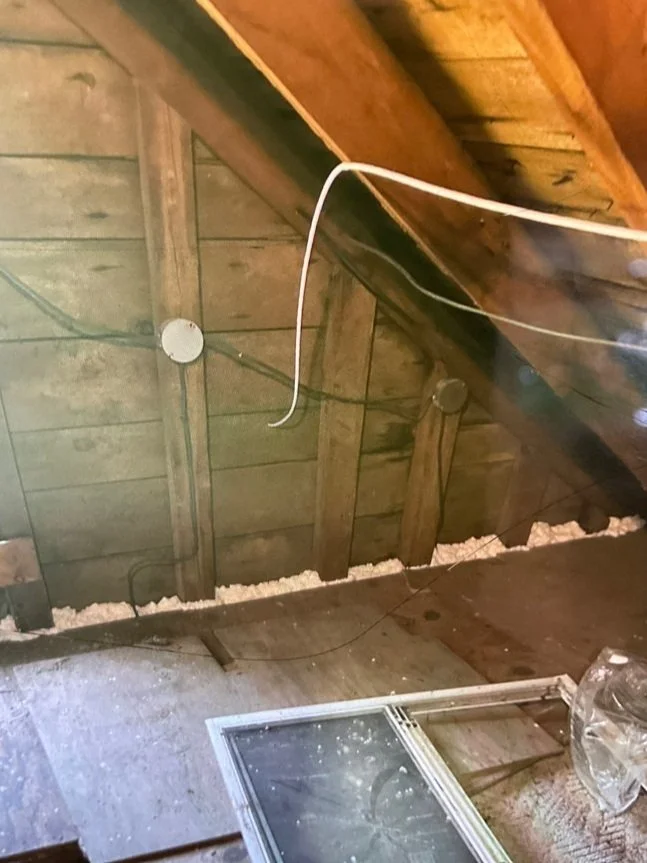
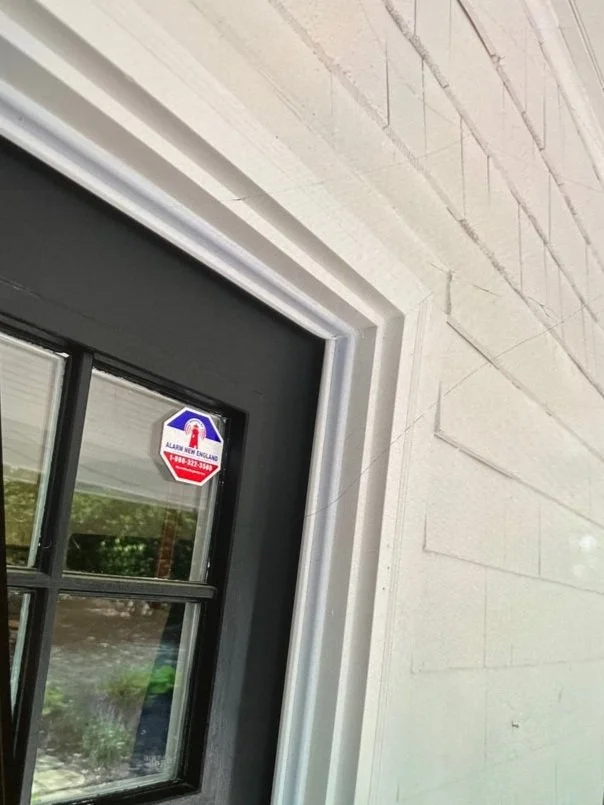
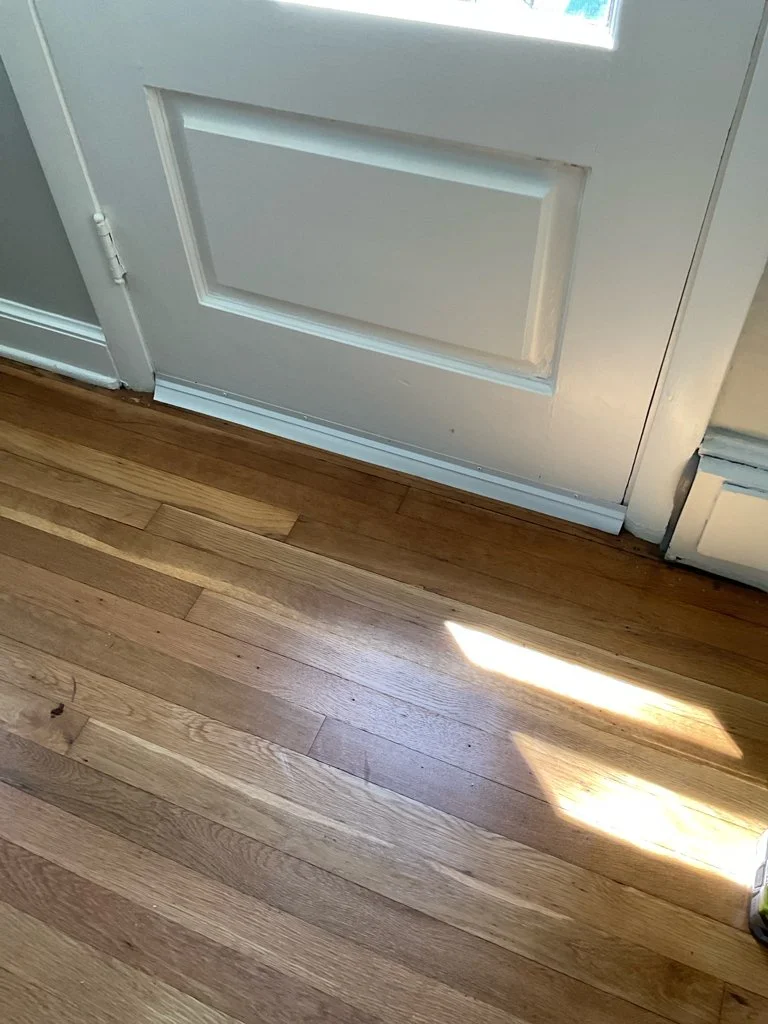
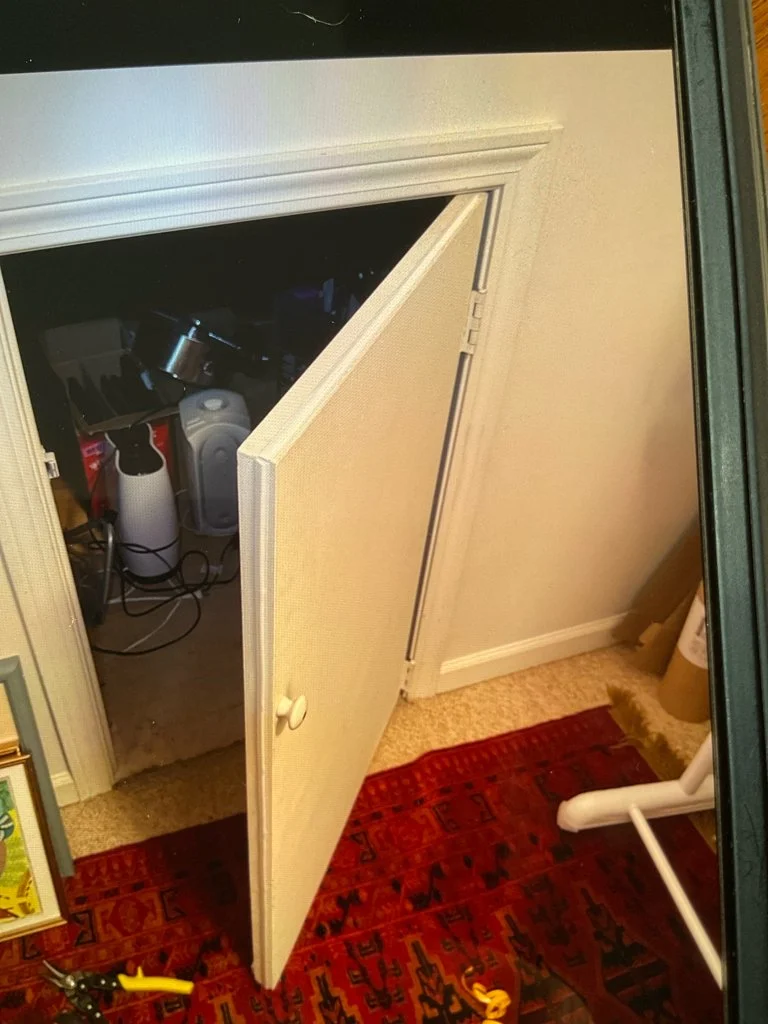
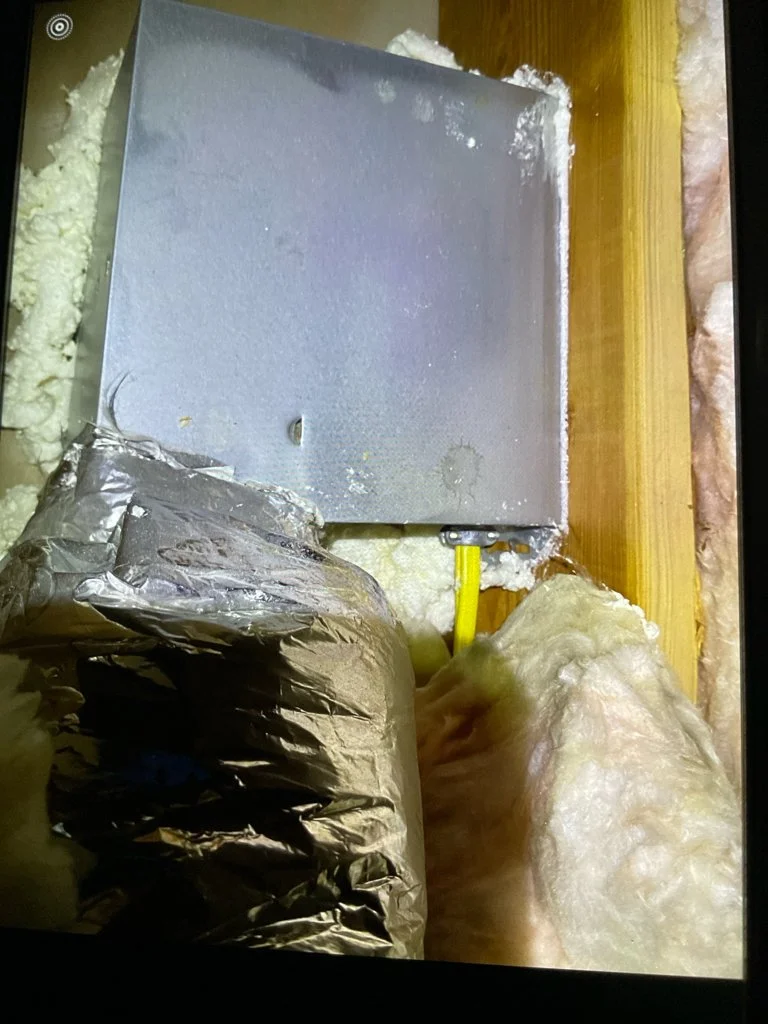
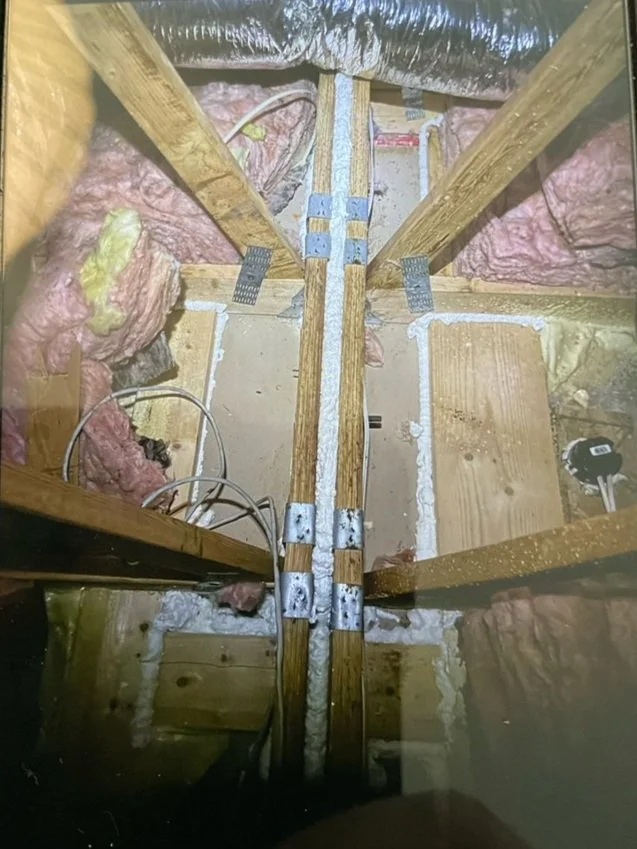
At a recent home energy assessment in Stonington, Connecticut, our team identified air leakage and insulation gaps that were contributing to drafts and poor energy performance.
Blower-door-guided air sealing and recommended insulation improvements were used to address the conditions identified during the assessment.
The project's energy modeling estimated:
Annual energy costs before improvements: approximately $3,600
Projected annual energy costs after improvements: approximately $2,800
Projected annual savings: approximately $780
These figures are specific to this project and were projections rather than guaranteed savings. Actual results vary by home, weather, energy use, occupant behavior, and improvements completed.
The more important outcome was a clear diagnostic path: identify the areas contributing to the home's performance problems, prioritize appropriate improvements, and use those findings to guide the work.